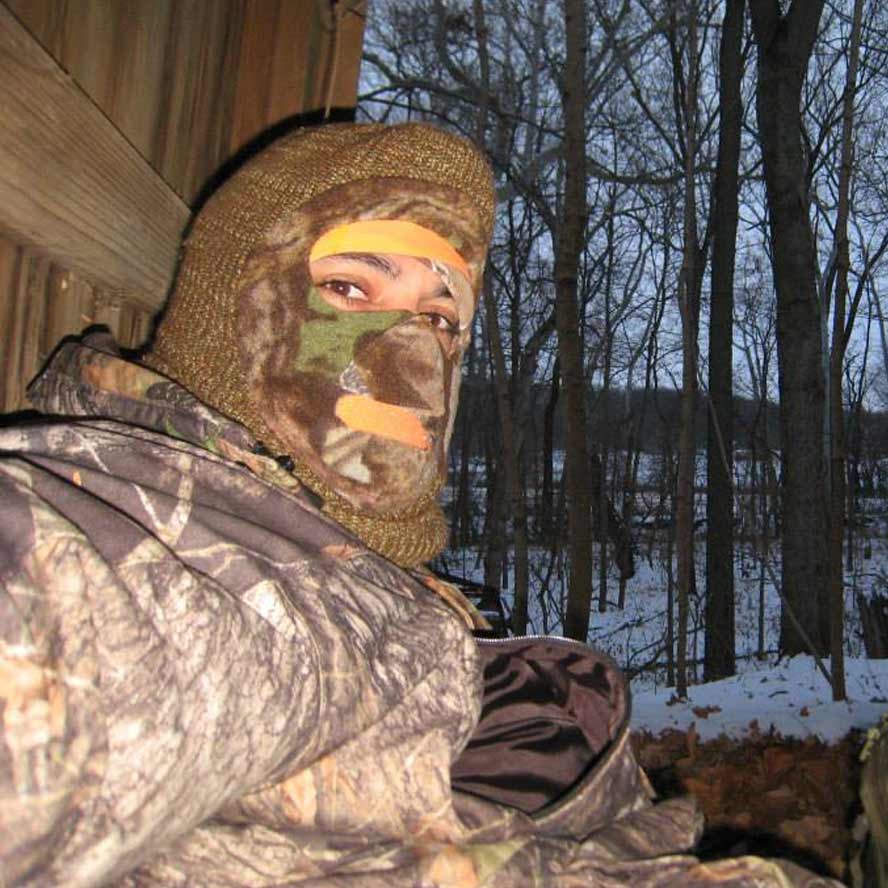
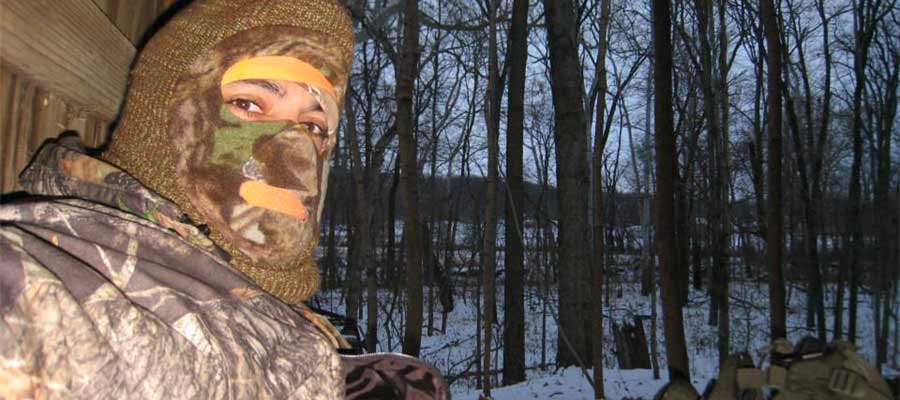
The 2014 Indiana deer hunt turned out to be one of the most memorable seasons I’ve experienced. It was a week filled with several “firsts,” tough weather, a few mistakes, and ultimately a rewarding finish. Hunting, after all, is about much more than the harvest. It’s about the smells of the woods, the quiet moments in a stand, and the memories made with friends and family along the way. In the end, 2014 was a great year, and it all started with a dramatic shift in the weather.
For the second year in a row, we experienced a major weather event during the hunt. The previous year brought tornadoes and unusually warm conditions. This time, it was the exact opposite—bitter cold. The average low for the week hovered around 15 degrees, while the average high struggled to reach 37. That’s roughly twenty degrees below normal for the region. Wind chills made it even worse, dropping to as low as –6 degrees on Tuesday morning. It was painfully cold and unlike anything I had experienced hunting before.
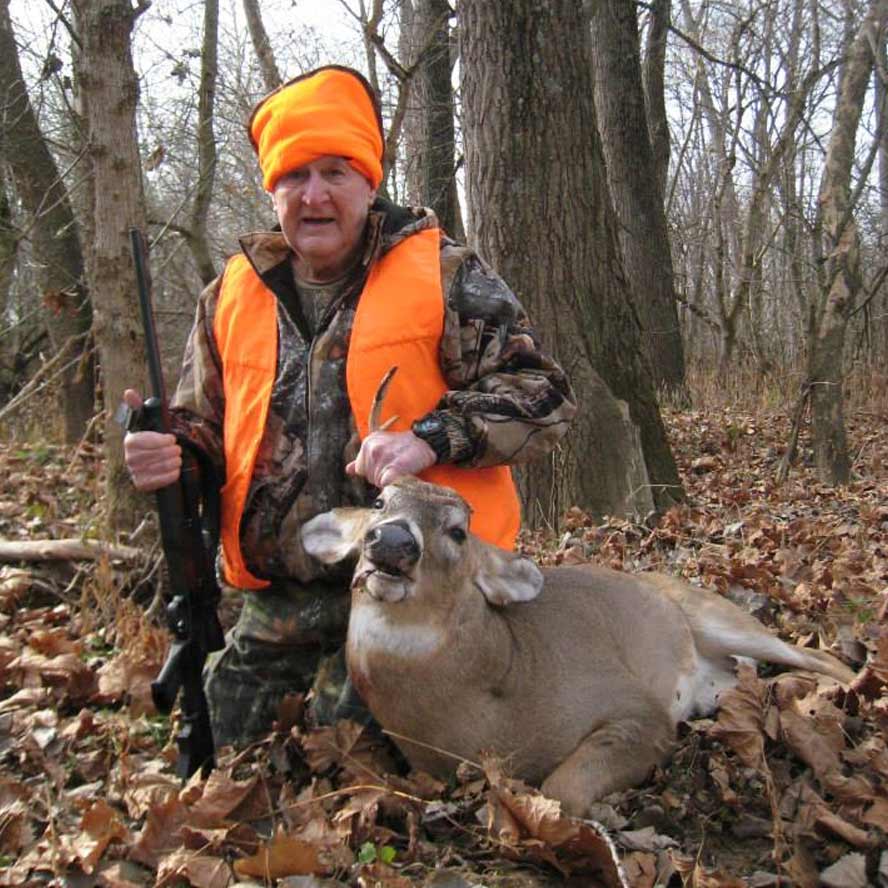
The sudden weather and the opening days of firearm season quickly changed deer behavior. By Sunday, the second day of firearm season, the deer had already become more nocturnal. Fortunately, my father Charlie had some luck early that afternoon. He harvested a beautiful four-point buck while watching a mature eight-point chase several does during the rut. Watching the chase unfold was a reminder of how unpredictable and exciting the rut can be.
Monday morning brought a noticeable change in the air, with snow forecast later in the day. The woods were quiet that morning with little movement. Around 2:30 PM I spotted a deer moving through the timber but quickly lost sight of it. I waited patiently, scanning the woods and occasionally grunting to see if curiosity might bring it back into view. After thirty minutes of silence, I made the mistake of climbing down from my ladder stand to investigate.
Within minutes I spooked the same deer. It had been standing only about fifty yards away, hidden behind a fallen tree and thick brush. By the time I realized what had happened, the doe was already sprinting away. I fired a few hurried shots but never had a realistic opportunity. It would have been pure luck to connect. The disappointment hit quickly, followed by the usual thoughts every hunter knows: what I should have done, what I could have done differently. Lessons learned.
As I walked back toward my stand, snow began to fall.
At first it was just a few scattered flakes mixed with frozen rain. By late afternoon the snowfall intensified, and the overcast sky took on a bluish glow as the snow drifted down through the trees. It was beautiful, but it also made navigating the woods difficult. Anyone who has hunted during a snowfall knows how quickly familiar landmarks disappear. Overnight the storm left three to four inches of snow on the ground.
The next morning we moved to a different property, a local farm where Kelly had been doing some roof work. As the sun rose, the snowy woods lit up with that same bluish winter light. We found our spots and settled in to wait for movement. The cold that morning was intense, easily the coldest hunting conditions I had ever experienced.
Around 10:30 AM Kelly spotted a young buck—a four-point—sprinting through the woods toward the area where my father and I were positioned. The deer crossed the corn field quickly and I didn’t see him until he reached the edge of the woods about sixty yards away. I grunted loudly several times hoping he would stop and give me a shot, but he never paused. He slipped into the woods and disappeared. This time I held off on taking a shot because there wasn’t a clean lane through the trees. I hoped he might turn, but he never did.
The next several days brought extremely cold conditions with wind chills dropping below zero. One morning Kelly and I headed out and I noticed ice forming on my eyelashes—another first for me while hunting. Deer movement remained minimal throughout the week. We would find fresh tracks in the snow every morning, which told us the deer were active during the night but rarely moving during daylight hours.
By Friday morning, my final day in Indiana before flying back to Miami, the pressure was on. Kelly and I were still hoping for one more opportunity. He had already taken his buck during archery season and had unfortunately lost track of a doe earlier in the week. The temperature that morning was about ten degrees shortly after sunrise, and fresh tracks covered the ground.
The morning passed without seeing a deer. By 2:30 PM I lowered my rifle from the stand, thinking it was time to call it a day. Just then Kelly called and said he would walk the woods behind me to see if anything might be bedded down. I raised my rifle again and waited.
About fifteen minutes later I heard a gunshot somewhere in the woods. My adrenaline immediately kicked in as I scanned the trees looking for movement. A few minutes later I heard something approaching from my left. A six-point buck suddenly appeared, running through the woods as if trying to escape something behind him.
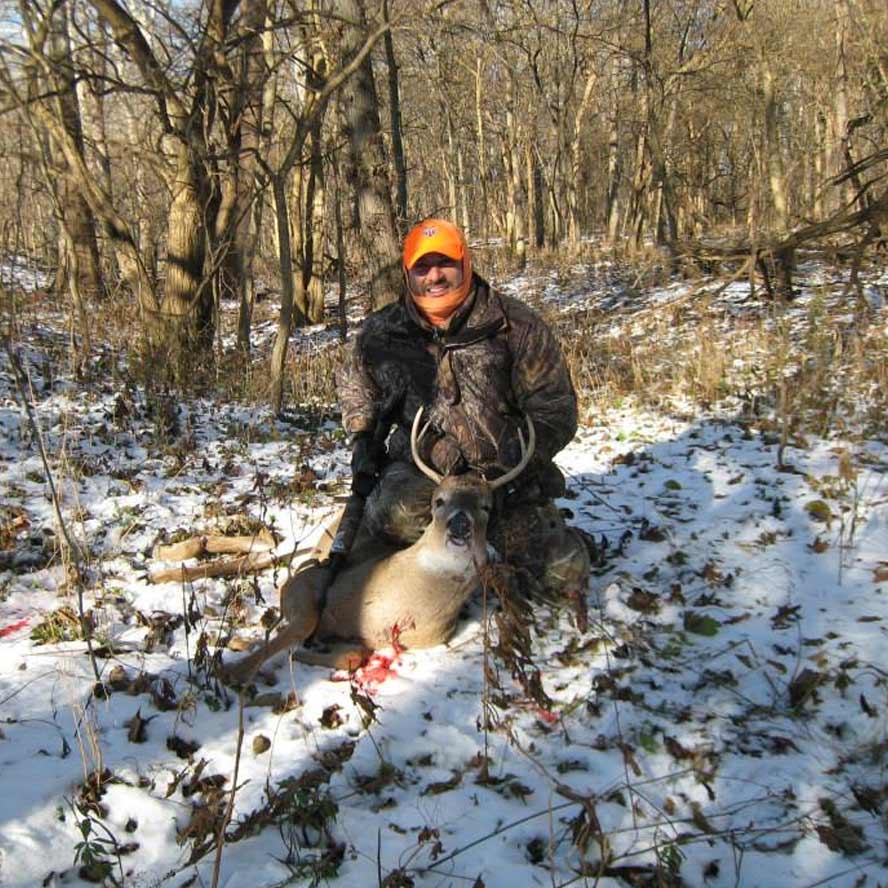
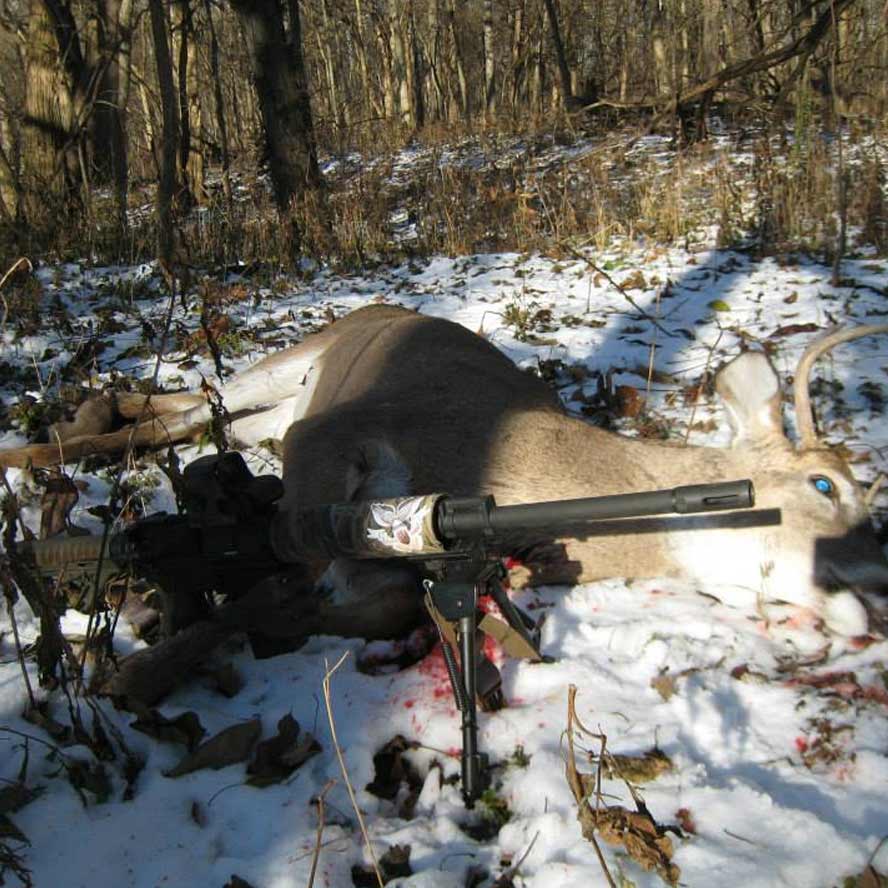
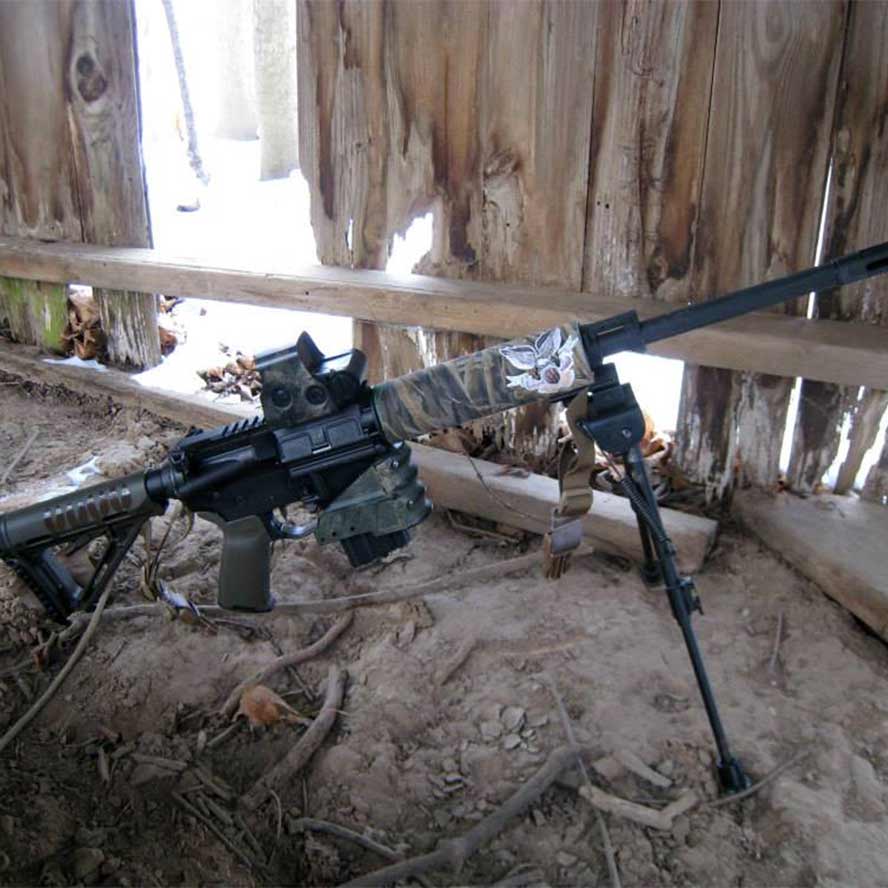
I grunted twice to stop him and brought my .450 Bushmaster AR rifle up to my shoulder. When the buck turned broadside, I aimed directly at his chest and fired. The shot struck cleanly through the chest and lungs and the buck dropped almost immediately. It was an incredible finish to a long, cold week in the woods.
The buck was taken during the final hour of my final day in Indiana—a moment that made the entire week worthwhile.
In addition to the challenges and memories from the hunt itself, 2014 also brought several personal milestones:
• First year my father and I both harvested a buck on the same trip and on the same property
• First time Kelly, my father, and I all harvested a buck in the same year
• First deer I harvested using an AR platform rifle, chambered in .450 Bushmaster
Indiana Deer Hunting Experiences
What makes Indiana a good state for deer hunting?
Indiana has a strong population of whitetail deer and offers a variety of habitats including farmland, hardwood forests, and rolling hills. The combination of agricultural food sources and wooded cover creates ideal conditions for healthy deer populations and productive hunting seasons.
How does extreme cold affect deer movement?
Very cold temperatures can significantly change deer behavior. When temperatures drop well below normal, deer often reduce daytime movement to conserve energy. Hunters may notice more nighttime activity and fewer daytime sightings during extreme weather events.
Why do hunters wait for a clean shot?
Responsible hunters only take shots when they have a clear shooting lane and a high probability of an ethical harvest. Waiting for the right opportunity ensures a quick and humane harvest and reduces the risk of wounding an animal.
What is the .450 Bushmaster used for in deer hunting?
The .450 Bushmaster is a powerful straight-walled cartridge designed for large-game hunting at moderate distances. It is particularly popular in states where straight-walled cartridges are allowed during firearm season and is known for delivering strong stopping power on whitetail deer.
Why are late-season hunts often the most memorable?
Late-season hunts frequently involve colder temperatures, tougher conditions, and more cautious deer. Success during these hunts often requires patience and persistence, which makes harvesting a deer under those circumstances especially rewarding.